

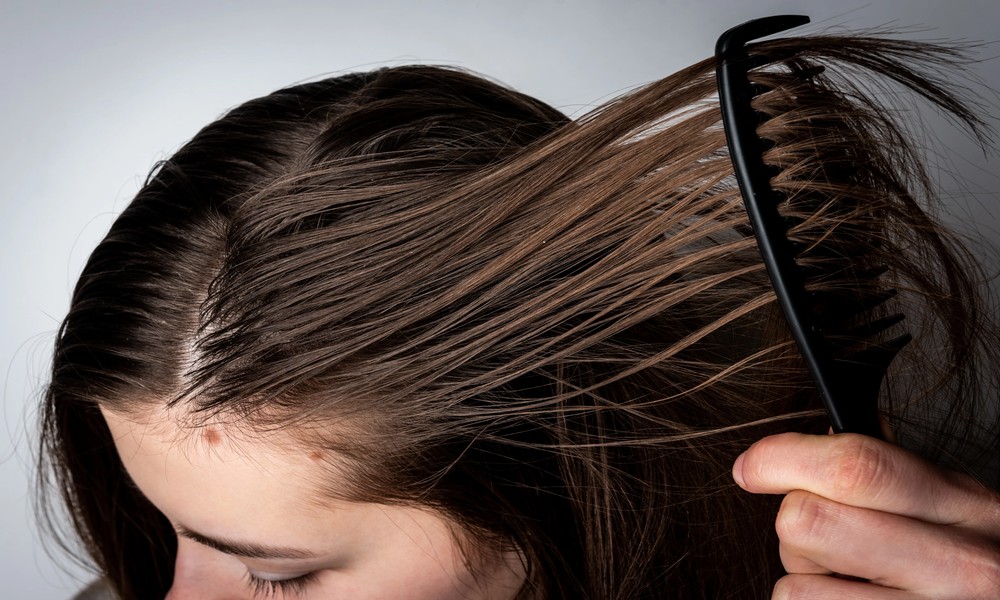
You wash your hair and it feels fine at first. Then the next day, the roots feel a little oily again. Nothing major, just enough to feel it. That is usually when shampoo for oily hair starts crossing your mind. Not like a big switch. Just a thought that keeps coming back. It is not only about washing more. It is more about how your scalp behaves on its own.
What causes excess oil on scalp
The scalp makes oil naturally. It is supposed to. That is what keeps hair from drying out. But sometimes it just makes more. Weather changes can affect it. Hormones too. Using heavier products without realizing. Washing too often, or sometimes not enough. Even stress, maybe. Hard to tell exactly. It is not always one clear reason. For some people, it just happens more. That’s it.
Signs your current routine may not suit you
You start noticing small changes first. Hair looks a bit greasy sooner than expected. Sometimes by the next day. The roots feel heavy, but the ends still feel dry. That part feels odd.
You try brushing it out. It does not really fix anything. And then you think about washing again even though you just did. That part gets annoying after a while.
Choosing the right wash approach
At first, it feels like washing more should solve it. But sometimes it does the opposite. You wash because it feels oily. Then it gets oily again faster. So you wash again.
It kind of turns into a loop. So instead of washing more, changing what you use might help more. Something lighter. Something that cleans but does not leave the scalp feeling too dry right after. That part matters more than it seems.
How cleansing affects scalp balance
If the scalp feels too dry after washing, it reacts. It starts producing more oil again. So even if your hair feels really clean at first, it kind of loses that feeling sooner than you expect.
That is where it gets confusing. Because it feels like you are doing the right thing but the result does not last. Some people notice this early. Some don’t.
Small changes that make a visible difference
You don’t have to change everything. A few small things can help over time:
- Using less instead of more
- Focusing on the scalp, not the full length
- Rinsing properly, not rushing
- Avoiding too many products near the roots
Nothing complicated here. Still, it makes a difference. Slowly.
Comparing light care and deep cleansing
There is a small difference that people don’t always think about. Light care keeps things balanced. It does not remove everything.
Deep cleansing removes buildup more strongly. But using that too often can feel a bit much. So people usually mix both. Not in a strict way. Just depending on how their hair feels. No fixed rule here.
Understanding your own pattern
This part takes time. Hair does not follow the same pattern every day. Some days it feels fine. Some days it turns oily faster for no clear reason. Weather, daily routine, small things all play a role somewhere.
So instead of following a strict routine, people adjust based on how their hair feels that day. Makes it easier, honestly.
When things start to feel manageable
After a while, you start noticing patterns without trying too hard. You kind of know when your hair will start feeling oily. You know what makes it worse. It is not perfect. But it feels easier to deal with.
In the end, shampoo for oily hair is not really about stopping oil completely. It is more about keeping it at a level that does not bother you too much. Some days it still feels off. But overall, you just handle it and move on.